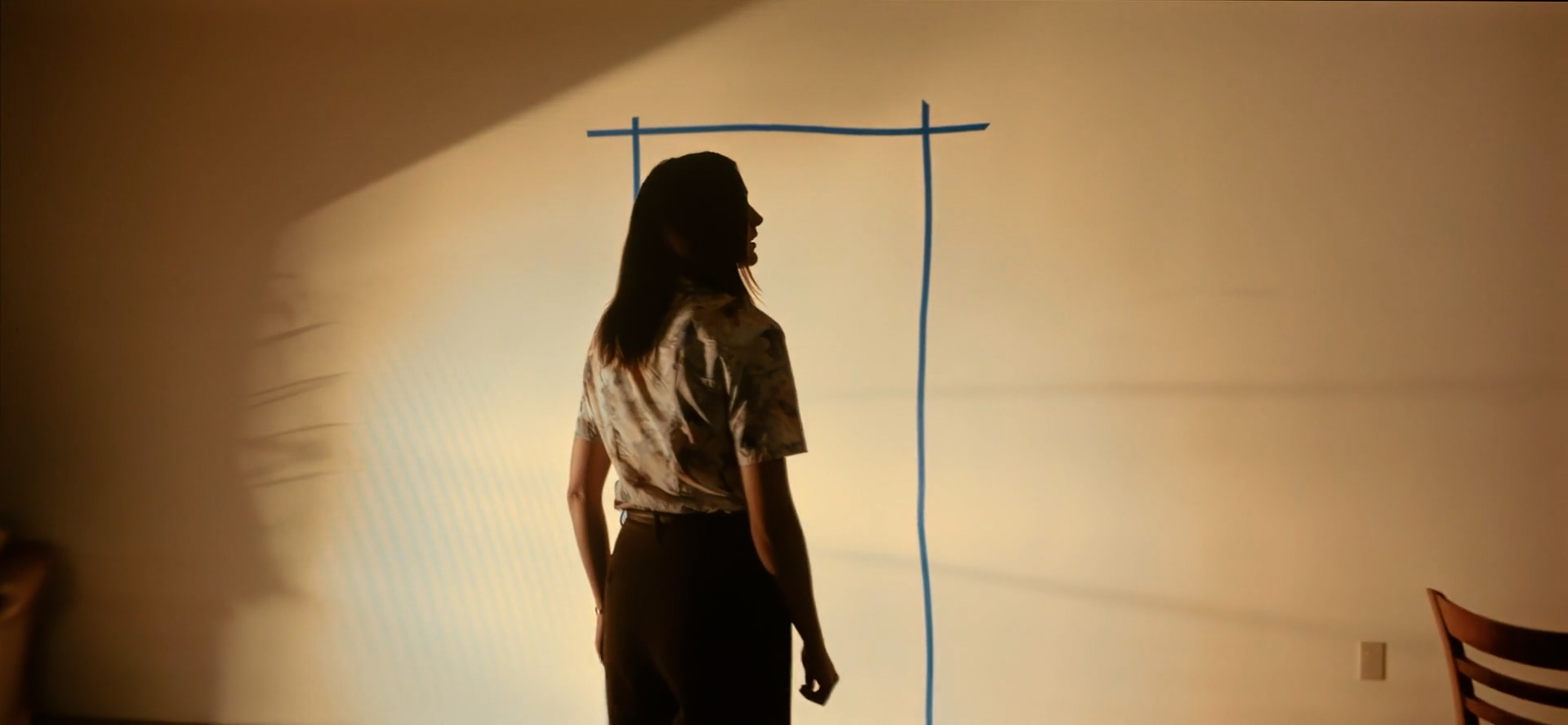
When Mary enters the Backrooms for the first time, she eventually reaches the end of a corridor where an immense wall drawing stands. This wall drawing conceals many unsettling details and appears closely linked to one of the most frightening works in art history.
The origins of the drawing
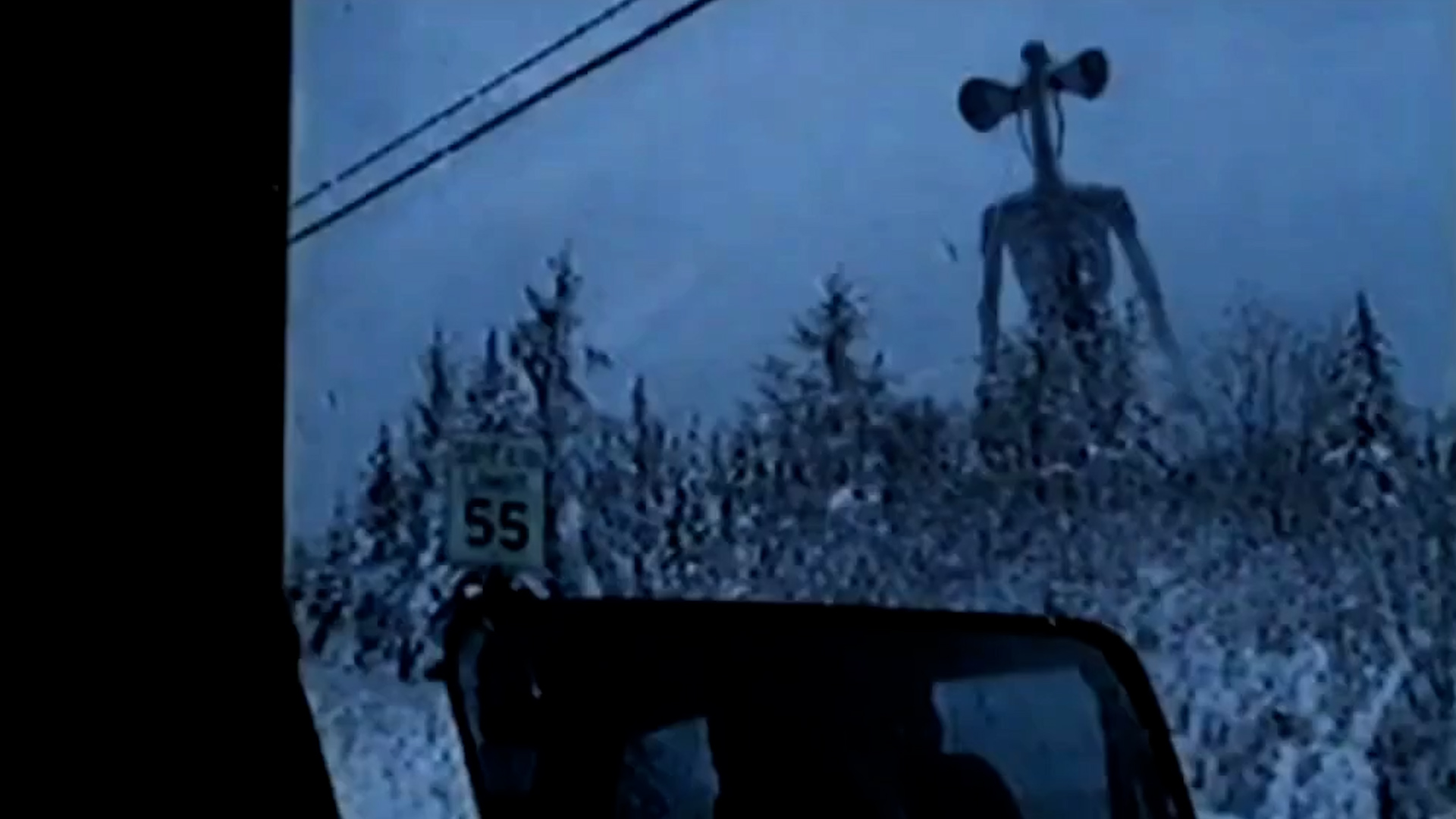
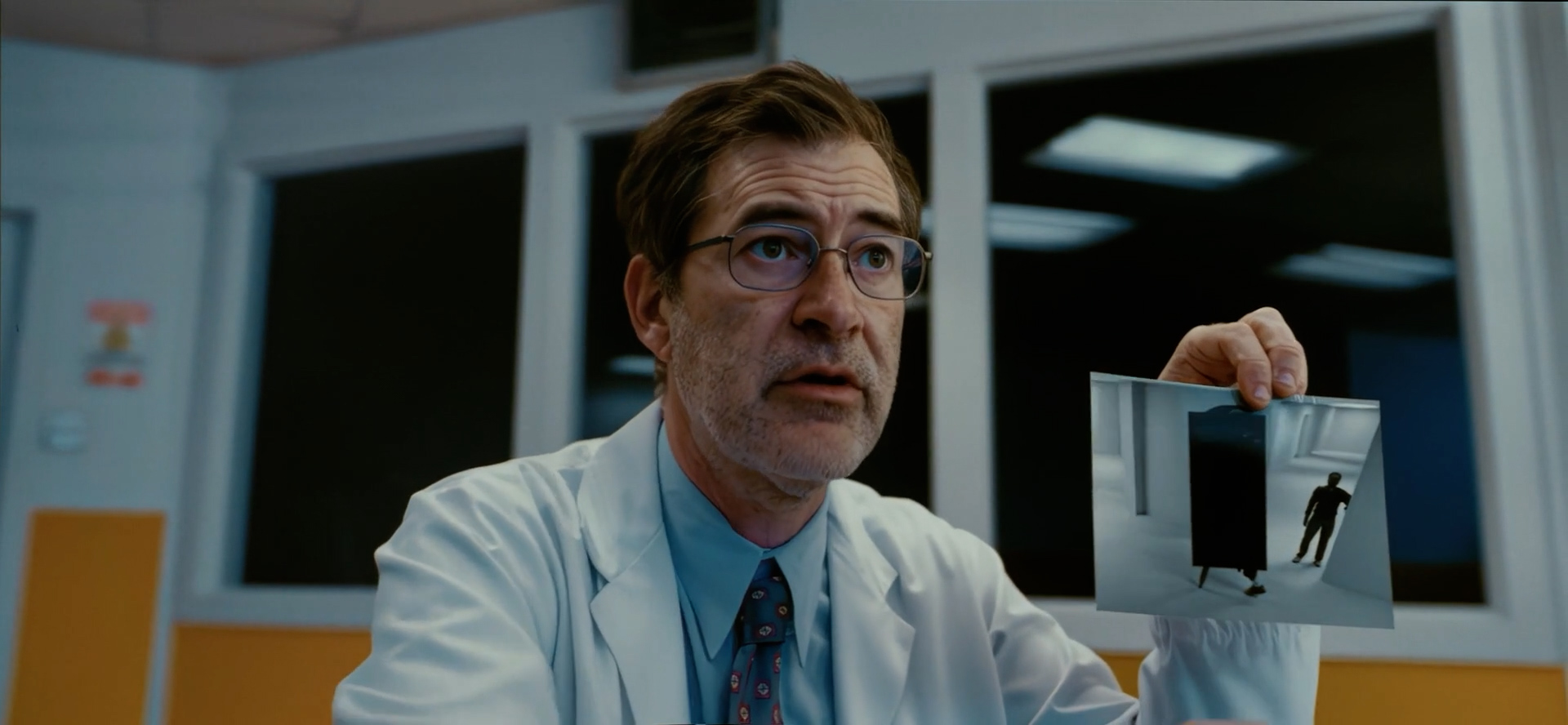
To decode this work, we need to go back a few years. This drawing bears striking similarities to the one visible in Found Footage #1 of the web series. In both cases, the entity occupies the center of the composition, topped by a window. The author and motivations behind this creation remain unknown.
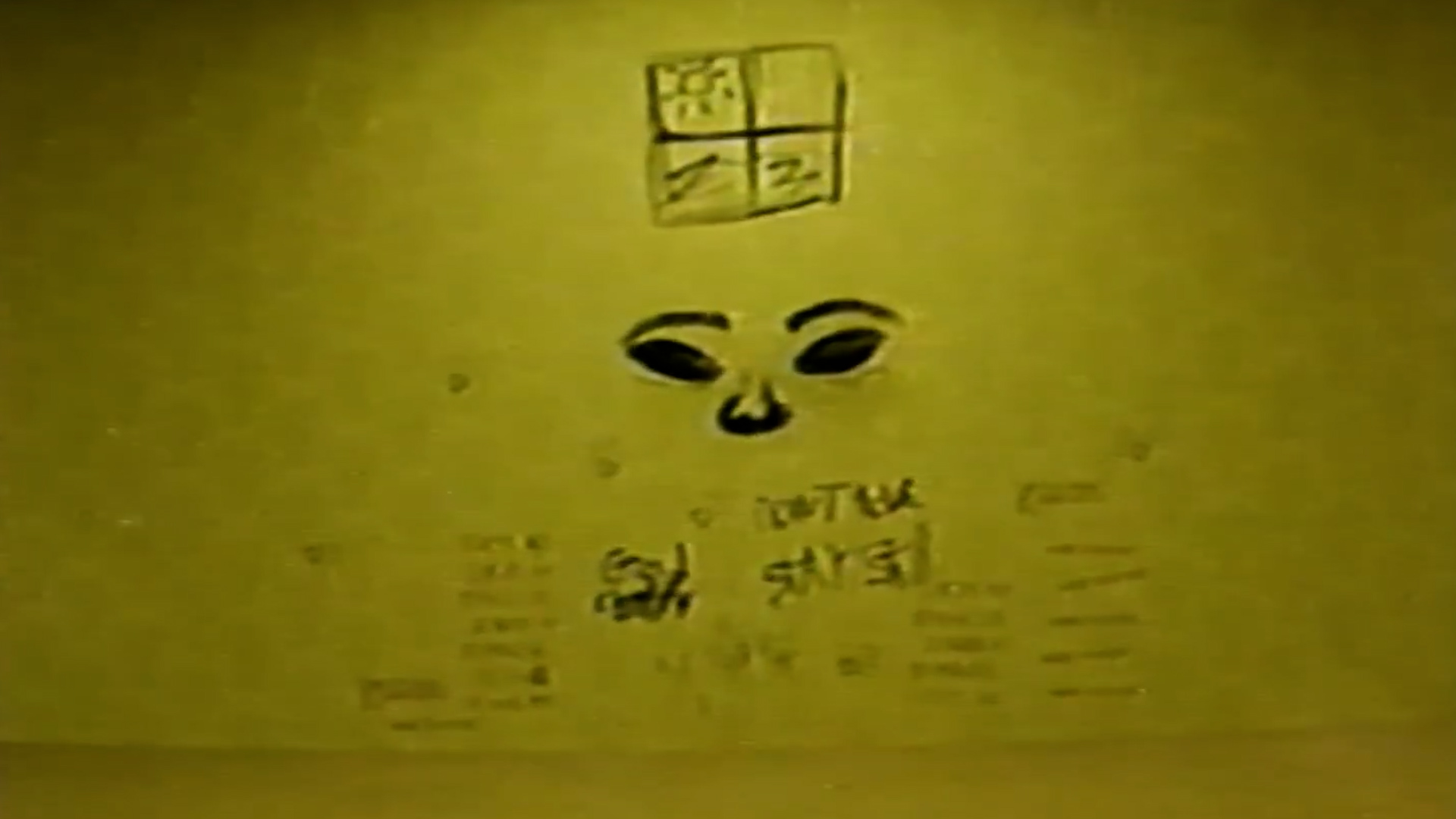
It is also worth noting that this episode takes place in 1991, one year after the events of the film. The second installment may perhaps provide answers on this subject.
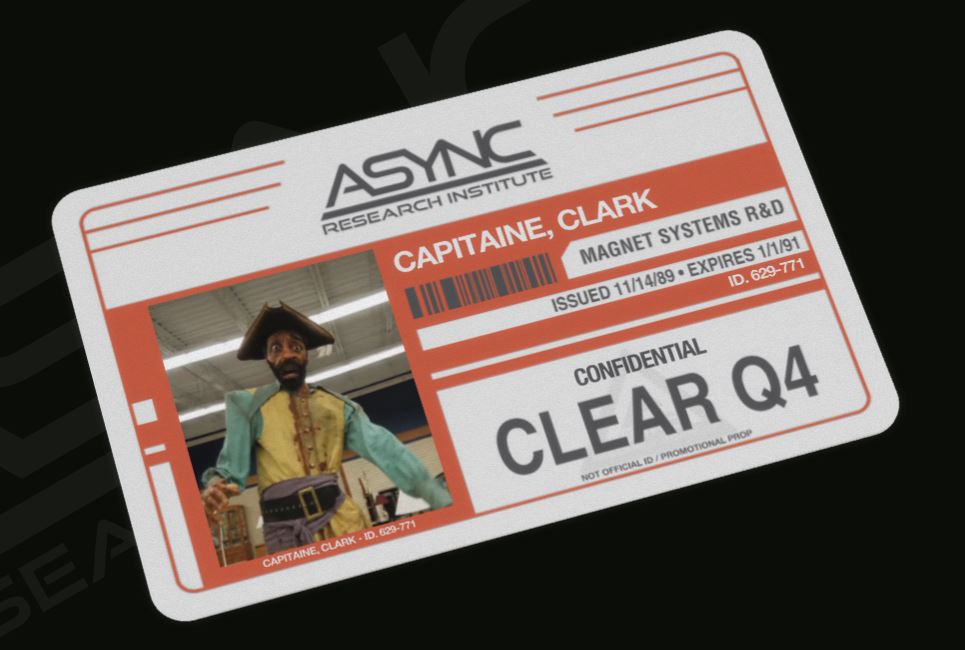
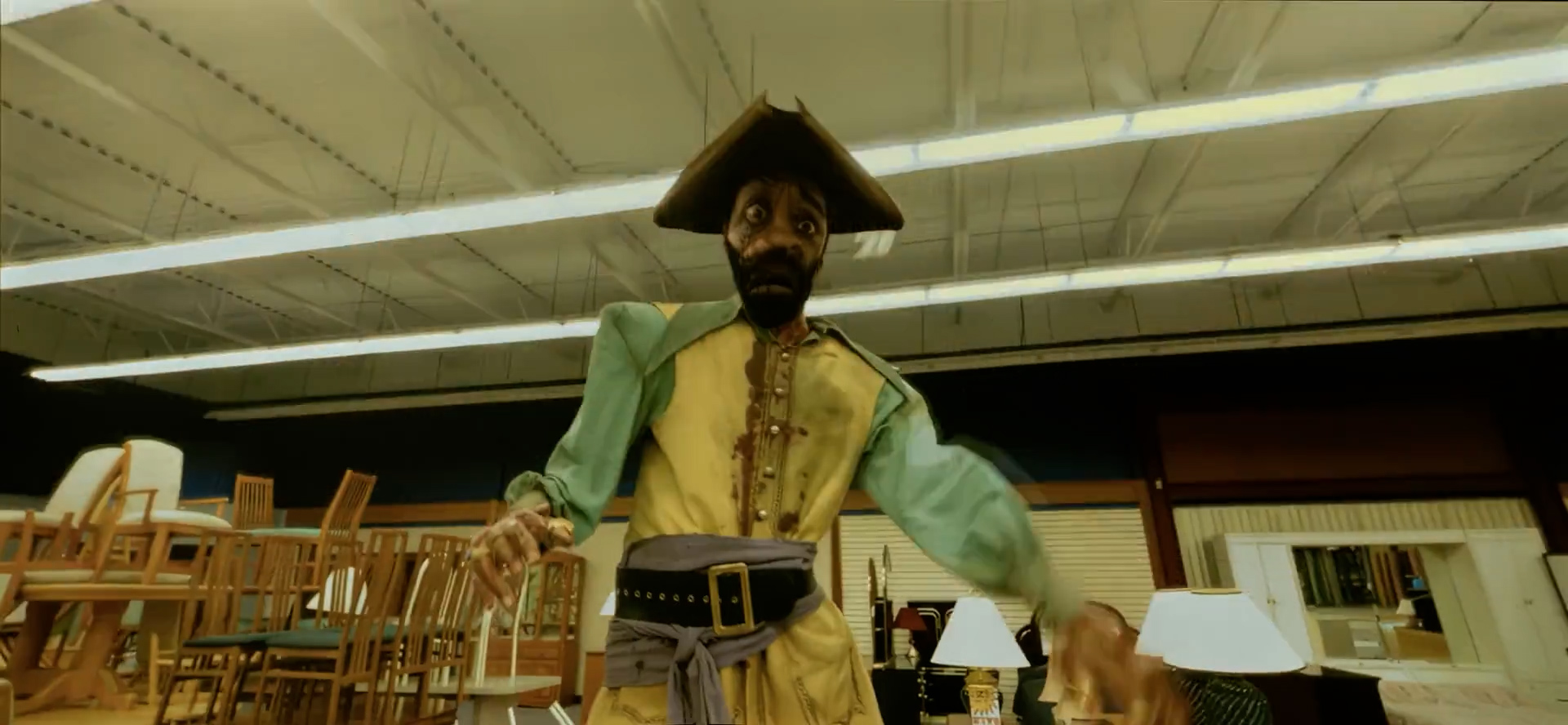
Before analyzing the drawing itself, a crucial question arises : who painted it? Its dizzying height has led many theorists to point to Captain Clark. A close look confirms this hypothesis : human handprints made with paint are visible. Furthermore, the room is full of furniture that can easily be stacked to reach such a height. Clark is therefore undoubtedly the artist behind this work packed with disturbing details.
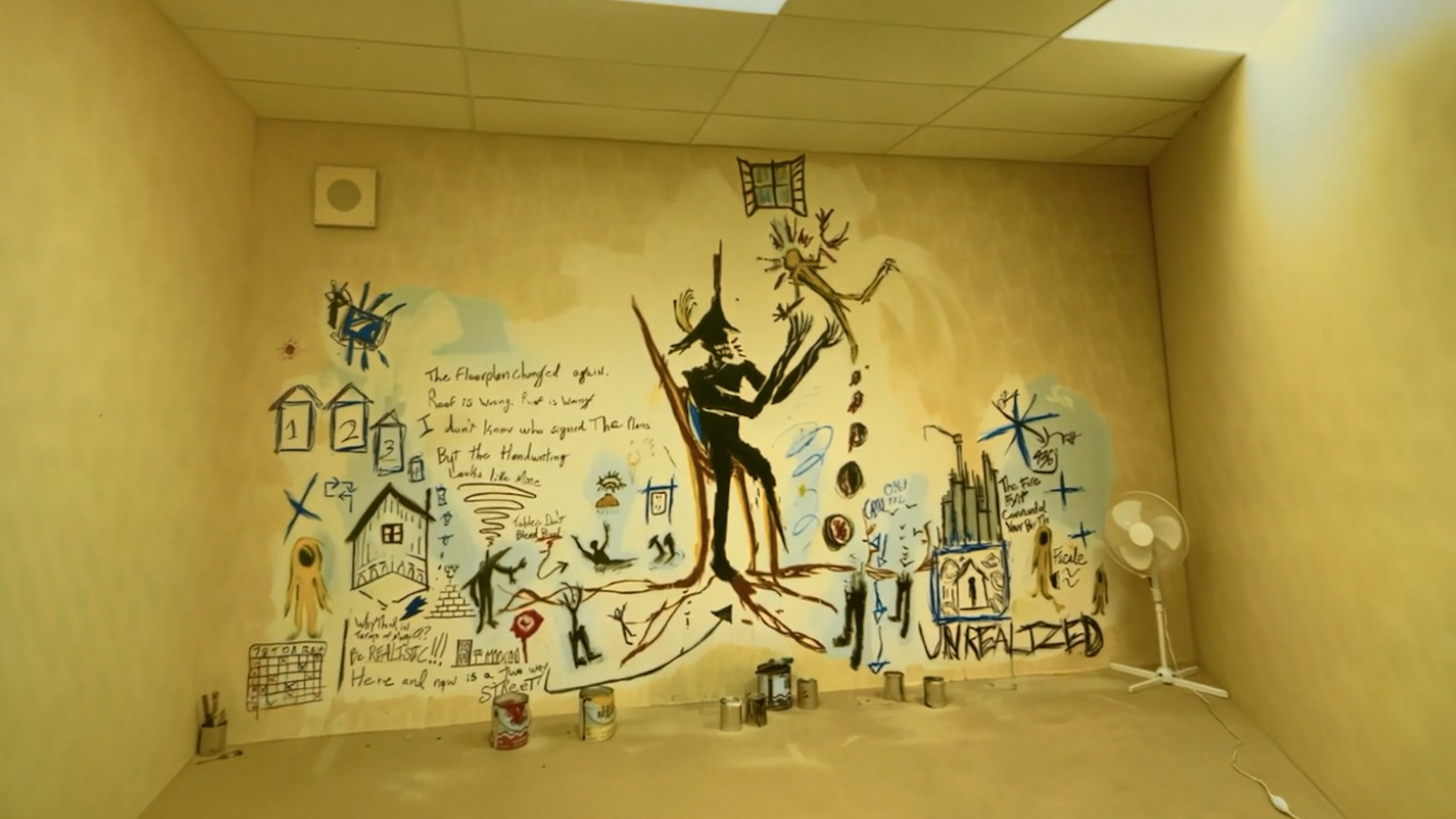
The left side : chronology and mechanics
On the left side of the drawing, several houses nest inside one another. At the bottom, a blue lightning bolt symbolizing electricity sits beside a wall deformed at its top. Right next to it are an ASYNC employee and a calendar. This ensemble resembles a timeline of the events at the beginning of the film, but also a model of how the Backrooms work : the houses would represent Clark's store, the lightning would figure the electrical anomalies, and the wall would embody the null zone.
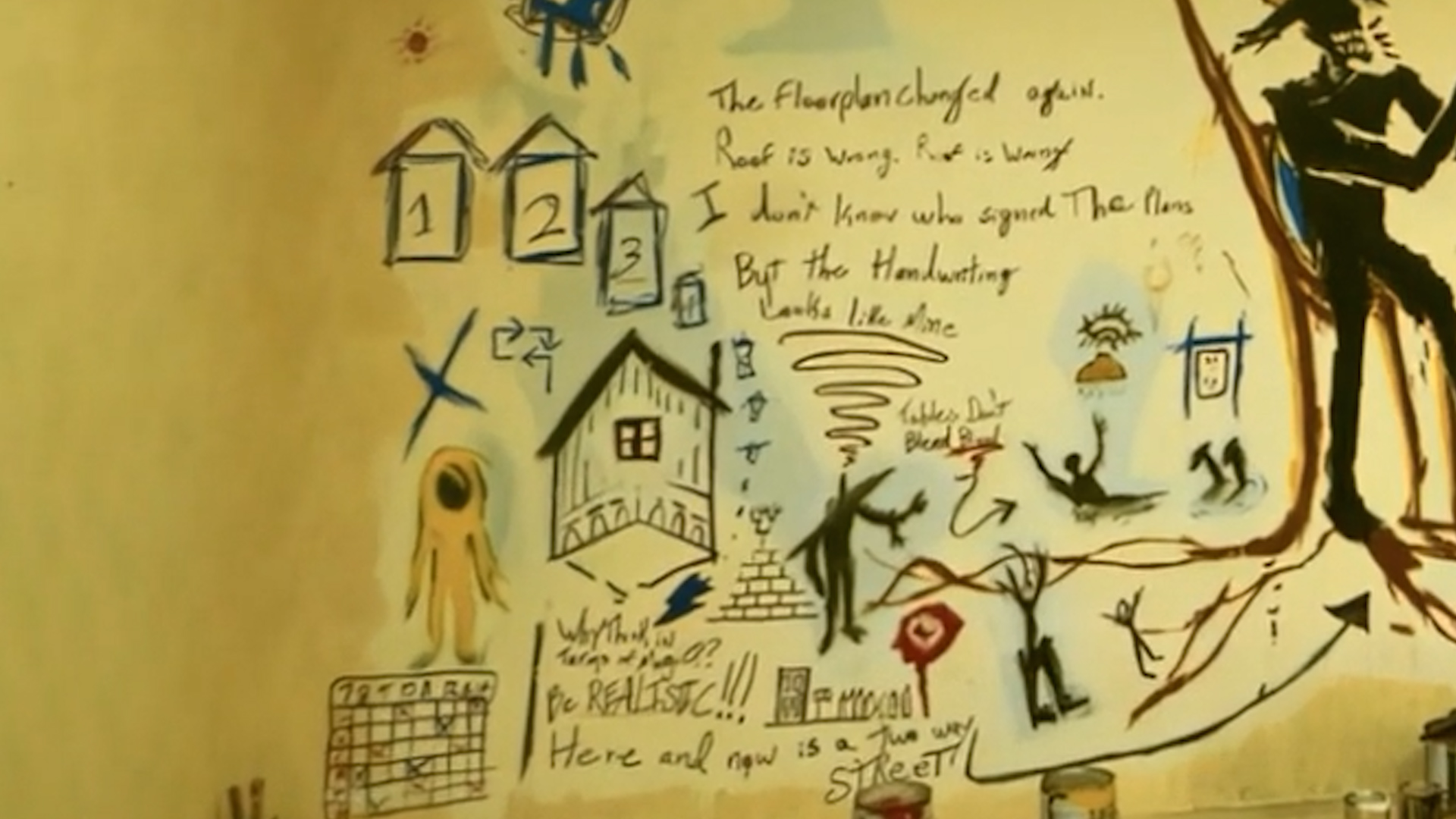
The text inscribed just below catches the reader's attention :
« Why think in terms of magic? Be realistic! The here and now is a two-way street. »
In English, the expression "a two-way street" refers to a bidirectional mechanism involving reciprocal influence. The Backrooms are not magic, but a scientific phenomenon operating between our world and this space.
Another major textual detail sits beside the houses :
« The plan has changed again. The roof is false, the roof is false. I don't know who signed these plans but the handwriting looks like mine. »
If we equate these plans with memory, the alteration of the plans means that memories are constantly rewritten. The mentions of the false roof symbolize memory errors, illustrating the Backrooms' inability to reproduce reality perfectly. Finally, the signature evokes Clark's own memories : although the handwriting is his, he becomes unable to discern what truly comes from him.
The evolution of still lifes
Further down, the following phrase can be read : "The tables don't bleed blood." The adjacent illustrations showing individuals half-sunk into the ground or this lamp resembling a specific character echo known scenes. This is very likely a reference to the still life, those altered versions of real human beings.
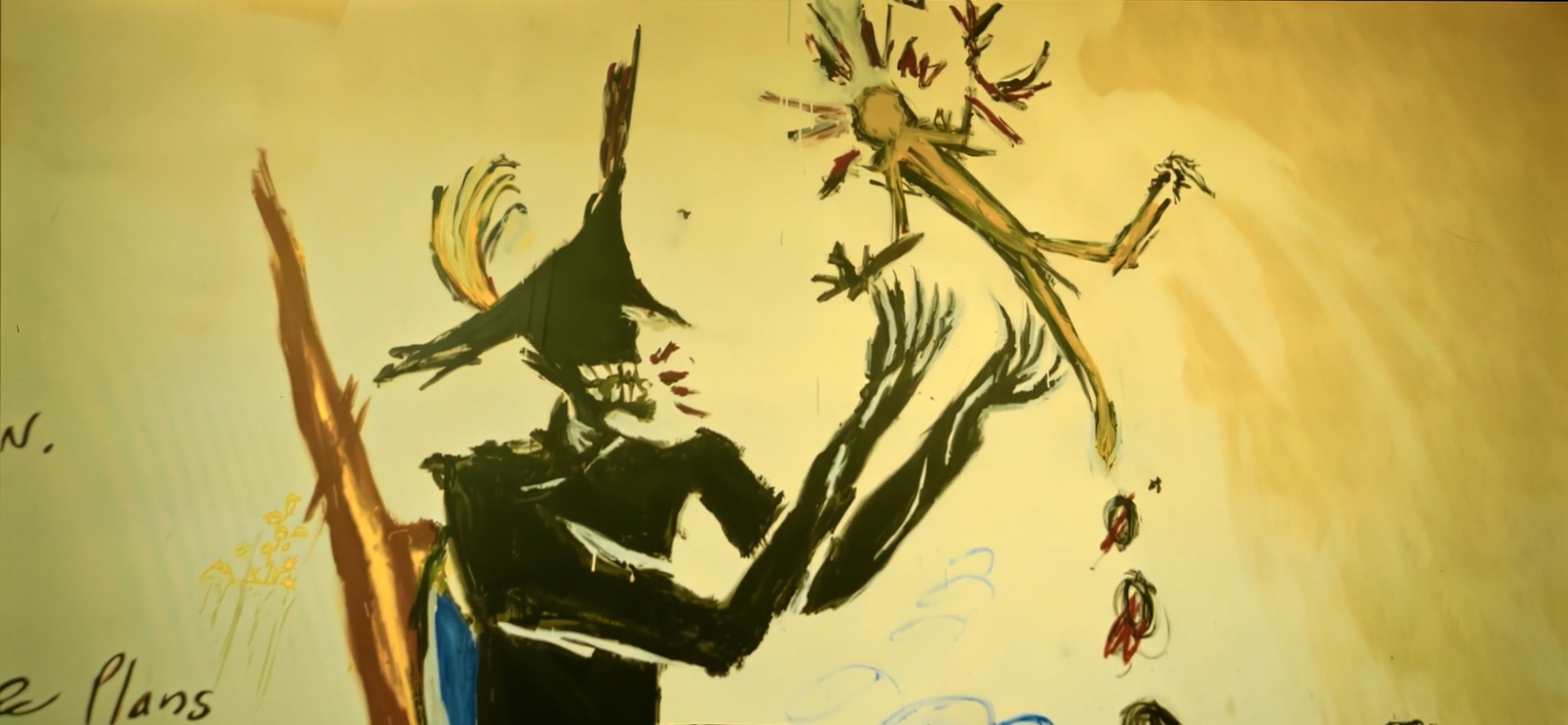
At a higher stage of evolution are the life forms. These life forms are more developed because they are more studied by the Backrooms, as illustrated here by Captain Clark's drawing. He sits on a throne whose roots sink into the ground, materializing his predominant influence over the place. Above him, Clark seems to lift a yellow character toward a window. This window immediately evokes Mary's book, but above all the voice message left by Clark after his decision to settle permanently in the Backrooms : "I opened the window, I'm not coming back." A message that illustrates his choice to leave the real world.
The right side : Clark's traumas and ASYNC
The right section of the drawing focuses on the artist's personal traumas. At the bottom, near the throne, appears the inscription CAPITOL 0369 112. While the numerical sequence remains mysterious, the word Capitol directly refers to Clark's store address. Birds reminiscent of the seagulls visible and audible in the Backrooms and near his shop can also be observed there.
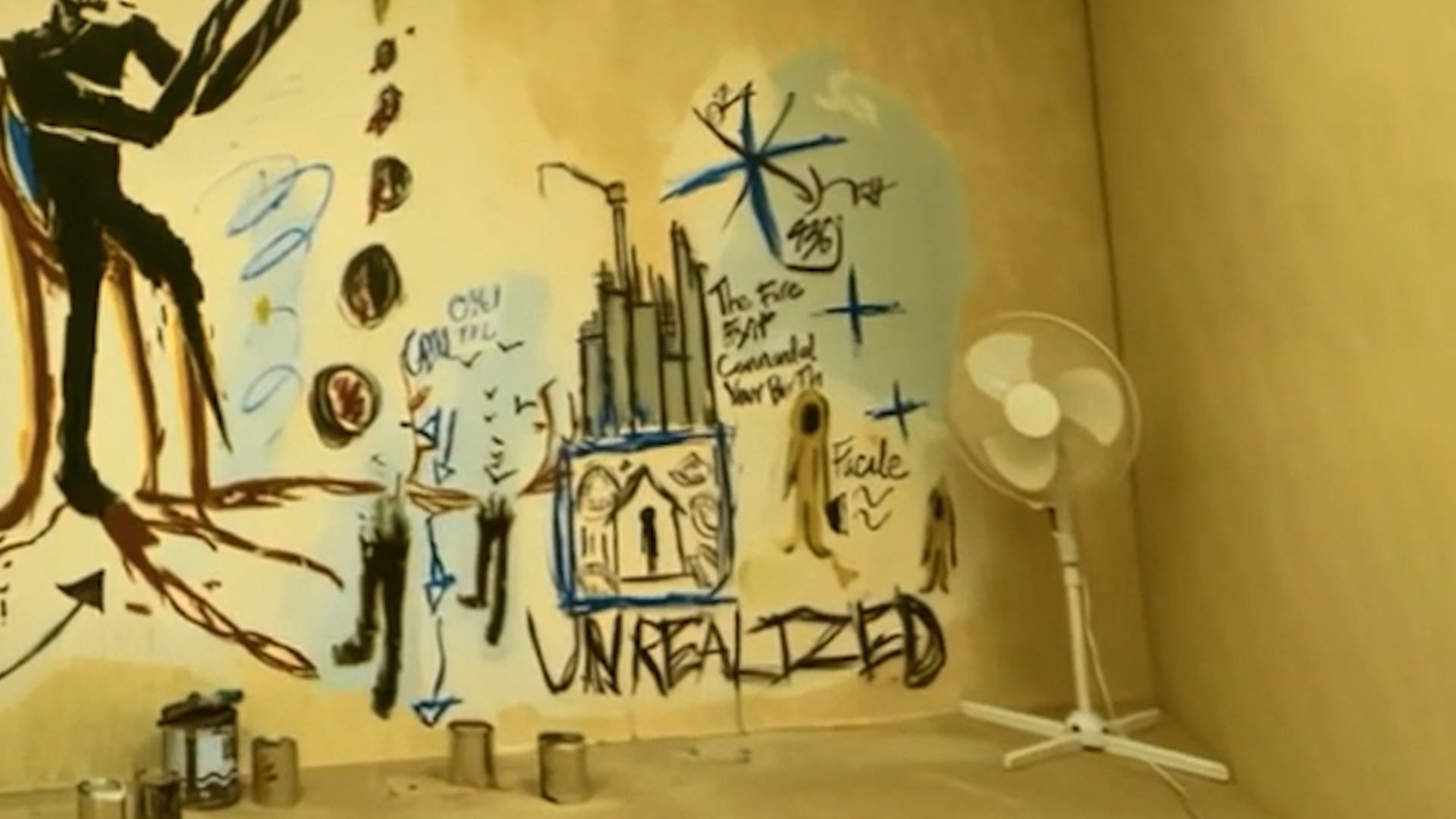
Beside this text, a cube contains a character surrounded by mouths, topped by cranes and buildings under construction. This character symbolizes Clark, while the mouths represent the psychological pressures consuming him : his wife, his customers, his debts, or his own guilt. Above is depicted his shattered dream of becoming an architect, underscored by the mention in capital letters NON REALISE. It is from this malaise that the Captain extracts the yellow silhouette character, a color synonymous with optimism and clarity, marking his liberation from all his problems.
The adjacent zone is dedicated to ASYNC. The upper part features a strange element that immediately evokes the Low-Proximity Magnetic Distortion System, the machine that generates portals to the Backrooms. Below, the inscription "The exit door triggered your birth" looms over employees in yellow suits. This indicates that ASYNC inadvertently spawned an entity or phenomenon by opening this passage.
The link with Francisco Goya
The drawing finds its darkest resonance in art history. It may remind you of the scene where the Captain lifts Clark, which turns out to be a direct reinterpretation of a masterpiece by Francisco Goya : Saturn Devouring His Son, a fresco originally painted by the artist on a wall of his own home.
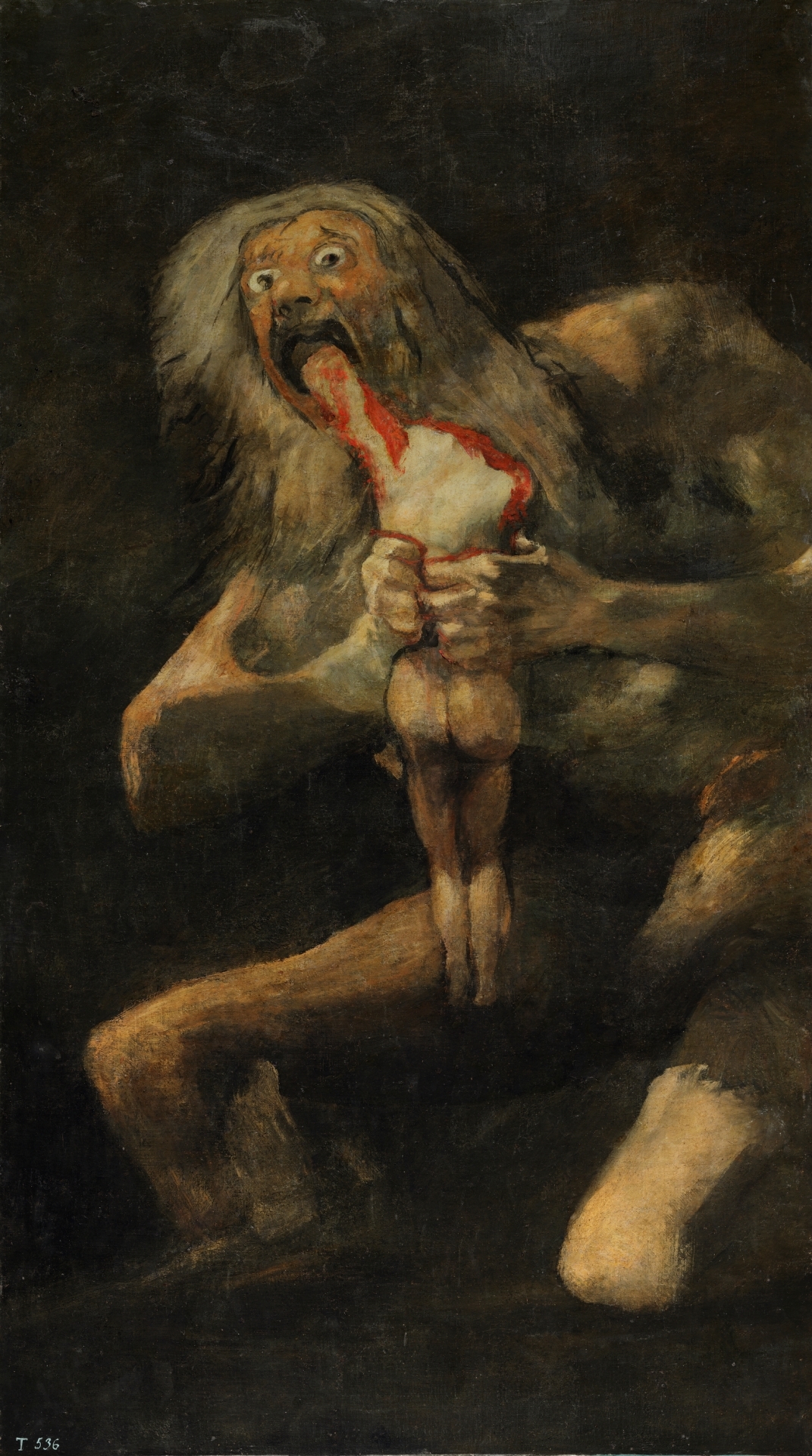
In mythology, Saturn decides to devour his offspring after learning that one of his children will overthrow him, just as he himself had overthrown his father. This pattern translates to the relationship between Clark and the Captain : the reigning entity seeks to destroy the one who, by regaining his sanity, threatens his dominant position.
This artistic lineage is confirmed by Kane Pixels himself, who used this exact painting to illustrate the YouTube thumbnail for a musical composition on his secondary channel Not Kane Parsons.